
Managing Spinal Stenosis: How Physical Therapy Can Alleviate Pain and Improve Mobility
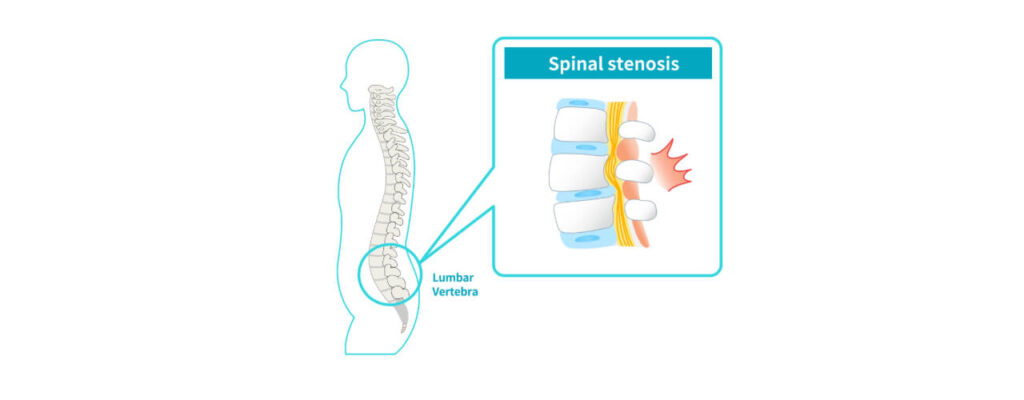

Are you one of the millions affected by spinal stenosis? Approximately 5-10% of people over 50 are diagnosed with spinal stenosis annually. Physical therapy offers a beacon of hope for those seeking relief from this debilitating condition. By leveraging tailored exercises and techniques, physical therapy can significantly alleviate pain and improve mobility.
Ready to take the first step towards a pain-free life? Call our team at Suncare Therapy, Inc today to learn more!
Understanding Spinal Stenosis: Unveiling the Causes
Spinal stenosis occurs when the spaces within your spine narrow, putting pressure on the nerves.
Common Symptoms of Spinal Stenosis
Pain
- One of the hallmark symptoms is chronic back pain, often radiating down into the buttocks, thighs, or legs. This pain may worsen when standing or walking and improve when sitting or leaning forward.
Numbness and Tingling
- As spinal stenosis compresses the nerves, it can lead to sensations of numbness, tingling, or pins-and-needles in the affected areas. This sensation may extend from the lower back into the legs or buttocks.
Weakness
- Muscle weakness, particularly in the legs, may make it difficult to walk or perform everyday tasks, such as climbing stairs or lifting objects.
Causes of Spinal Stenosis
Degenerative Changes
- The most common cause of spinal stenosis is age-related degeneration of the spine. Over time, the discs between the vertebrae may shrink, and the ligaments may thicken, reducing the space available for the spinal cord and nerves.
Herniated Discs
- A herniated disc, also known as a slipped or ruptured disc, can protrude into the spinal canal, causing compression of the nerves and leading to spinal stenosis.
Bone Spurs
- Osteoarthritis can lead to the formation of bone spurs, or osteophytes, which may intrude into the spinal canal and narrow the space for the nerves.
Congenital Factors
- In some cases, spinal stenosis may be present from birth due to congenital abnormalities in the spine’s structure, such as a narrow spinal canal or malformed vertebrae.
Understanding these symptoms and causes is essential for seeking prompt treatment with a dedicated specialist. Our team utilizes your symptoms and lifestyle to accurately determine the root cause of your pain and develop an effective treatment plan tailored to your needs.
How Physical Therapy Can Transform Your Spinal Stenosis Journey
Physical therapy can play a pivotal role in your journey towards relief and improved mobility. Our team offers a holistic approach to managing spinal stenosis, focusing on strengthening the muscles, improving mobility, and enhancing overall function.
Physical Therapy Treatment Methods
Manual Therapy
- Soft Tissue Mobilization: Physical therapists may use techniques such as myofascial release to reduce muscle tension and improve circulation around the spine.
- Joint Mobilization: Gentle, hands-on movements applied to the spine can help restore normal joint function and alleviate stiffness and pain.
Therapeutic Exercise
- Strengthening Exercises: Targeted exercises to strengthen the muscles supporting the spine, including the core, back, and hip muscles, can help stabilize the spine and reduce pressure on the nerves.
- Flexibility and Stretching: Stretching exercises can improve flexibility in the spine and surrounding muscles, reducing stiffness and promoting a better range of motion.
Posture Correction
- Body Mechanics Training: Physical therapists educate patients on proper body mechanics and posture to minimize stress on the spine and prevent exacerbation of symptoms.
- Ergonomic Assessment: Assessing workplace ergonomics and recommending modifications can help reduce strain on the spine during daily activities.
Education and Lifestyle Modification
- Pain Management Strategies: Educating patients on pain management techniques, such as pacing activities and stress management, empowers individuals to better cope with their symptoms.
- Activity Modification: Physical therapists provide guidance on modifying daily activities and avoiding movements that exacerbate symptoms, promoting a safe and healthy lifestyle.
By incorporating these comprehensive treatment methods, physical therapy can address the underlying causes of spinal stenosis, alleviate pain, improve mobility, and enhance overall quality of life. Each treatment plan is tailored to the individual’s unique needs, ensuring optimal outcomes and long-term success in managing spinal stenosis.
Embrace Relief: Take Charge with Physical Therapy
Are you tired of letting spinal stenosis dictate your life? Don’t suffer in silence any longer – take proactive steps toward relief with physical therapy. Our dedicated team at Suncare Therapy, Inc is here to provide personalized care and support to help you overcome spinal stenosis.
Ready to embark on your journey to a pain-free life? Call us today to learn how physical therapy can transform your spinal stenosis treatment.